Cataract explained: symptoms, types, surgery and choosing a lens
What a cataract is, the signs to watch for, why surgery is the only fix, how the operation works, which lens to choose, and how to get a free cost estimate.
Most people who are told they have a cataract feel two things at once: worry about an operation on the eye, and confusion about what comes next. Which lens? Which hospital? Why do quotes for the same surgery differ so much?
This guide explains what a cataract is, how it changes your sight, when surgery makes sense, how the operation is done and how to choose the lens that goes in. If you would like to know what it might cost you, there is a short form at the end for a free estimate.
What a cataract is
Behind the coloured part of your eye, the iris, sits a small clear lens, about 9 to 10 millimetres across. Its job is to focus light onto the retina at the back of the eye, the way a camera lens focuses onto film. A cataract is that lens turning cloudy.
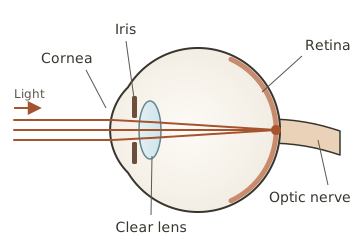 A healthy eyeThe clear lens brings light to a sharp point on the retina.
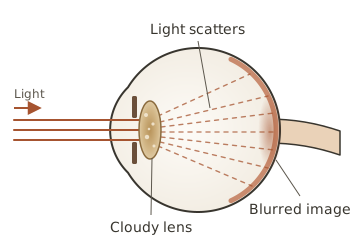 An eye with a cataractThe cloudy lens scatters the light, so the image is blurred and dim.
The lens is made of proteins packed in a precise, transparent order. With age, and faster with some conditions, those proteins clump together. The clumps scatter light instead of letting it through, and the lens slowly turns hazy and often yellow-brown. It is not a growth, and it is not a film over the eye that can be scraped or washed away.
Most cataracts come with age and develop over years. In India, untreated cataract is the most common cause of blindness in people over 50, according to the National Blindness and Visual Impairment Survey (2015 to 2019). It is also one of the most treatable: the operation that fixes it is among the most frequently performed surgeries in the country.
The signs to watch for
A cataract usually creeps in so slowly that people adjust without noticing. Family members often notice first: the TV volume is not the problem, but sitting closer to it is. Common signs:
- Blurred or cloudy vision, as if looking through a smudged window, that cleaning your glasses does not fix.
- Colours look faded or yellowed. Whites look cream, and blues and purples are harder to tell apart.
- Glare and halos. Sunlight feels harsh, and at night oncoming headlights and street lamps spread into starbursts.
- Poor vision in dim light, and needing more light to read.
- Frequent changes in spectacle power, especially becoming more short-sighted.
- Reading suddenly easier without glasses. Some cataracts briefly change the eye’s focus, so reading improves for a while. People call it second sight. It does not last.
- Double vision in one eye, which goes away when that eye is covered.
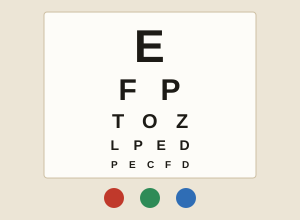 Clear lensSharp letters and true colours.
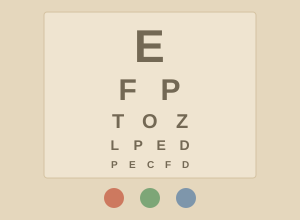 With a cataractLetters blur, contrast drops, colours fade and turn yellowish.
 At nightLights spread into glare and halos, which makes night driving hard.
None of these signs is specific to cataract. Glaucoma, diabetic eye disease and problems with the retina can blur sight too, and some of them need treatment quickly. That is why any change in vision deserves an examination, not a guess.
Who gets cataracts
Age is the biggest factor, and most people will have some clouding of the lens by their sixties or seventies. Some things bring cataracts on earlier or make them grow faster:
- Diabetes
- Smoking
- Long-term use of steroid tablets or steroid eye drops
- A lot of strong sunlight over the years without protection
- An injury to the eye, or an earlier eye operation
- A family history of early cataract
Children can also be born with a cataract or develop one young. That is a different situation, needs an eye specialist promptly because a child’s vision is still developing, and is not what this guide is about.
The three common kinds
Eye doctors describe a cataract by where in the lens the clouding sits. You may see these words on your report.
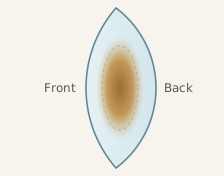 NuclearThe centre of the lens hardens and yellows. The most common age-related kind. Distance vision blurs first, and reading can briefly improve.
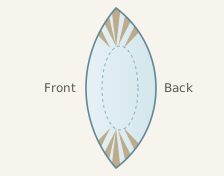 CorticalWedge-shaped streaks run in from the edge of the lens, like spokes. Glare from lights is often the first complaint.
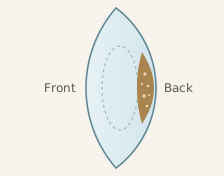 Posterior subcapsularA patch forms at the back of the lens, right in the path of light. It can grow faster and is more common with diabetes and steroid use. Reading and bright light suffer.
Do you need surgery now?
Not always. A small cataract that does not bother you can be watched, with a check every year or so. Meanwhile, a fresh spectacle prescription, brighter reading lights and anti-glare lenses can keep you comfortable for a while.
Surgery makes sense when the cataract gets in the way of your life: reading, recognising faces, working, cooking, climbing stairs safely or driving. That is a decision you make with your eye doctor, and there are a few things worth knowing before you make it.
- There is no medicine for cataract. No drop or tablet dissolves it, however it is advertised. Surgery is the only treatment.
- Do not wait for it to “ripen”. This advice comes from older techniques. A very advanced cataract is harder to remove, the operation takes longer and recovery is slower, and it can raise the pressure inside the eye.
- Other eye problems are checked first. If the retina or the optic nerve is also affected, the surgeon will tell you how much better your sight can be expected to get.
- Diabetes and blood pressure should be under control before the operation. The hospital checks both.
How the operation works
Cataract surgery replaces the cloudy natural lens with a clear artificial one, called an intraocular lens or IOL. It is usually done as day care: you arrive, are prepared and operated on, and go home the same day. The eye is numbed with drops or a small injection around it, and you stay awake. Most people feel pressure and see bright light rather than pain.
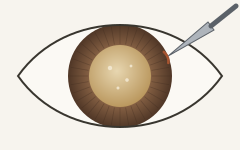 1. A small openingThe surgeon makes a tiny opening at the edge of the cornea, usually 2 to 3 millimetres wide.
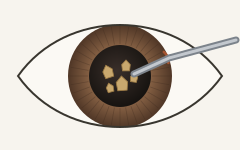 2. The cloudy lens comes outA slim probe breaks the lens into small pieces with ultrasound and gently suctions them out.
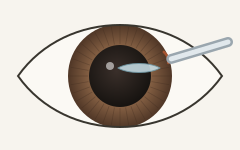 3. A folded lens goes inThe new lens is soft and folded, so it fits through the same tiny opening.
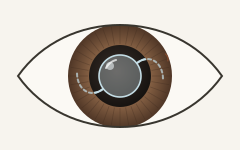 4. It unfolds in placeIt opens out in the capsule where the old lens sat. The opening usually seals itself without stitches.
There are three techniques you may hear about.
- Phacoemulsification, or phaco, is the method shown above, through a very small opening. It is what most private eye hospitals use.
- Manual small-incision cataract surgery, or SICS, removes the lens in one piece through a slightly larger tunnel, usually without stitches. It is an excellent operation, works well for hard, advanced cataracts and costs less. Many high-volume charitable hospitals in India rely on it.
- Laser-assisted surgery adds a femtosecond laser for some of the early steps. It adds to the cost, and for most eyes the result is similar to phaco.
Your surgeon recommends a technique for your eye. It is a clinical choice first and a price choice second.
Choosing the lens
This is the decision that changes your glasses afterwards, and the biggest reason two quotes differ. The power of the lens is calculated for your eye from measurements taken before surgery. The type of lens is your choice, made with your surgeon.
| Lens type | Far (driving, TV) | Arm's length (computer, cooking) | Near (reading, phone) | Good to know |
|---|---|---|---|---|
| Standard (monofocal) | Clear | Often clear | Needs glasses | The most common choice. Reading glasses afterwards. |
| Toric | Clear | Often clear | Needs glasses | Also corrects astigmatism, so distance is sharper without glasses. |
| Multifocal or trifocal | Clear | Clear | Clear | Fewer glasses, but halos around lights at night are common. Not for every eye. |
| Extended range (EDOF) | Clear | Clear | Often clear | Fewer halos than multifocals. May need glasses for small print. |
The table is a general guide: how well each lens works depends on your eye, and many people choose a standard lens and are very happy with it. A few points to raise with your surgeon:
- Your daily life. Someone who reads for hours, drives at night or works on a screen all day may weigh the choices differently.
- Astigmatism. If your measurements show significant astigmatism, ask whether a toric lens would help.
- Other eye conditions. Multifocal lenses are usually not advised with some retina problems, glaucoma or a damaged cornea, because they split the incoming light.
- What your insurance covers. Many policies have a fixed limit for cataract per eye. A premium lens can take the bill well past it.
Our guide to cataract surgery cost in Chennai explains how the lens, the technique and the package change the bill, and what to ask before you pay an advance.
What the weeks around surgery look like
- First visitThe eye examination
The doctor confirms the cataract, checks the retina and the eye pressure, and tells you how much your sight is likely to improve.
- Before the surgery dateMeasurements and checks
A painless scan, called an A-scan or biometry, measures the eye to work out the lens power. Blood sugar and blood pressure are checked, and you are told which of your usual medicines to continue.
- Surgery dayA few hours at the hospital
About 15 to 30 minutes in the operating theatre. You go home the same day with a shield over the eye. Someone should take you home.
- The next day and first weekReview and drops
The first check-up is usually the next day. You start eye drops on a set schedule, avoid rubbing the eye, keep water and soap out of it, and avoid heavy lifting, as your surgeon advises.
- Four to six weeksSettled
The drops usually finish, your glasses are tested if you need them, and the second eye can be planned.
Most people notice clearer, brighter vision within a few days, with colours that look surprisingly vivid. Our guide to eye drops after cataract surgery explains what each bottle does and why the schedule steps down.
When to call the hospital the same day
After surgery, contact the hospital straight away, even at night, if you notice any of these:
- Pain that is getting worse rather than better
- Vision that is getting worse after it had improved
- Increasing redness, swelling or discharge
- New flashes of light, a shower of floaters, or a shadow or curtain across your vision
- Nausea or vomiting with eye pain
These are uncommon, but some complications need treatment within hours, and the hospital would always rather hear from you.
If you are weighing up cataract surgery for yourself or a parent, the form below gets you a free, indicative estimate of what it might cost for the choices you are considering.
Get a free cataract surgery estimate
Tell us about the eye and how you plan to pay. Someone from the 92health team will call you with an indicative cost range for your choices and the questions to ask the hospital. It is an estimate, not a medical opinion: the lens and the final price are decided by the surgeon after an eye examination.
Thank you. We have your details.
Someone from the 92health team will call about the estimate. Keep any eye test reports or prescriptions handy: they help us give you a closer range.
Common questions
- Can eye drops or medicines dissolve a cataract?
- No. No eye drop, tablet, diet or exercise has been shown to clear a cataract once it has formed, whatever an advertisement says. Brighter light and an updated spectacle power can help for a while. When the cataract gets in the way of daily life, surgery is the only treatment.
- Should I wait for my cataract to ripen before surgery?
- No. That advice dates from older techniques. Today the right time is when the cataract makes it hard to read, work, drive or move about safely. Waiting until the lens turns hard and white makes the operation more difficult and the recovery slower, and a very advanced cataract can cause other problems inside the eye.
- Is cataract surgery painful?
- Most people feel pressure and see bright light rather than pain. The eye is numbed with drops or a small injection around it, and you stay awake. For a few days afterwards the eye can feel gritty or watery, which the drops you are given help with.
- How long does cataract surgery take, and do I stay in hospital?
- The operation itself usually takes 15 to 30 minutes. Most people go home the same day, after a few hours at the hospital for the checks before and after, with a shield over the eye and a schedule of drops.
- Can a cataract come back after surgery?
- The cloudy lens is removed, so the cataract itself cannot return. In some people the thin capsule that holds the new lens turns hazy months or years later, which feels like the cataract coming back. It is treated in the clinic with a quick laser, without another operation.
- Will I need glasses after cataract surgery?
- It depends on the lens. With a standard lens most people see well in the distance and need reading glasses. Toric lenses also correct astigmatism. Multifocal and extended-range lenses reduce the need for glasses at more than one distance, but they are not right for every eye.
- Are both eyes operated on the same day?
- Usually not. Most surgeons operate on one eye first and the second a few weeks later, once the first has settled and its result can guide the lens choice for the other.
This article is general health information for readers in India. It is not a diagnosis, a prescription or a substitute for a consultation. Costs, procedures and regulations vary by clinic and state; confirm anything that matters with your own doctor or pharmacist.